Mecklenburg County Court helps residents understand how local justice works and how different cases move through the system. It gives the public a clear way to review case details, follow legal steps, and see how matters are handled in the county. The court structure covers criminal, civil, traffic, and family issues through several divisions that follow North Carolina laws. Each section of this page explains how these parts function and what users can expect.
Mecklenburg County Court operates through a unified setup that keeps legal processes organized and easy to follow. It supports the community by offering structured services, clear record practices, and reliable information about ongoing and past cases. The system makes room for public review, fair hearings, and consistent procedures across all court units. This intro sets the base for what readers will learn as they explore further sections.
How to Search Mecklenburg County Court Records
Searching court records in Mecklenburg County is straightforward when following these steps:
- Open the Official Portal: Visit https://portal-nc.tylertech.cloud/Portal/ to access the public search system.
- Select Search Mode: Choose “Guest” or “Public Search” for basic information without an account.
- Enter Search Criteria: Use full names, case numbers, citation numbers, or other identifiers. Popular options include case lookup tool, court docket search, and case number search.
- Review Search Results: The portal returns details such as case type, court docket entries, filing dates, hearing dates, and related public information.
- Request Older or Non-Digitized Records: Cases created before October 9, 2023, may not appear online. Email requests are accepted by specific clerk divisions:
- Criminal Cases: Mecklenburg.Criminal@nccourts.org
- Civil Cases: Mecklenburg.Civil@nccourts.org
- Estate/Special Proceedings: Mecklenburg.Estates@nccourts.org
- In-Person Search (if needed): Visit the courthouse at 832 East Fourth Street, Charlotte, NC 28202, Monday–Friday, 9:00 AM–5:00 PM. Public access terminals and request forms are available for manual searches or ordering copies.
Records Details
Through online searches or in-person requests, users can access:
- Case Numbers and Parties’ Names – identify plaintiffs, defendants, and involved parties.
- Court Docket Entries – review filings, hearing dates, and case status.
- Case Type – includes criminal, civil, traffic, probate, and more.
- Basic Public Filings – see available documents while excluding sealed or restricted records.
Key Considerations for Users
While accessing Mecklenburg County court records:
For in-person visits, bring valid identification and be prepared to pay applicable copy fees.
Not all records are online; pre-October 2023 files may require email requests.
Certain records are restricted or sealed by law, including juvenile, adoption, and sensitive family cases.
Searching is free for basic access; however, fees apply for printing or certified copies.
Mecklenburg County Court Jurisdiction & Divisions
Mecklenburg County Court handles a wide range of legal matters through its distinct judicial branches. Each division manages specific types of cases, ensuring efficient and organized legal proceedings.
The court is structured into multiple legal divisions, each with its own responsibilities and procedures. These divisions include criminal, civil, family, traffic, and probate matters. Understanding how each section functions helps residents and legal professionals interact effectively with the court system.
Criminal Division
The Criminal Division addresses offenses against the law, ranging from misdemeanors to felonies. This division manages arraignments, trials, sentencing, and appeals.
Key features of the Criminal Division:
- Case types: theft, assault, drug-related crimes, violent offenses.
- Processes: arraignment, pre-trial hearings, jury trials, sentencing.
- Officials involved: prosecutors, defense attorneys, and criminal court judges.
Civil Division
The Civil Division resolves disputes between individuals, businesses, or organizations. Cases here often involve contracts, property disputes, personal injury claims, and other non-criminal legal matters.
Highlights of the Civil Division include:
- Case types: contract disputes, landlord-tenant issues, personal injury, business litigation.
- Processes: complaint filing, mediation, trial, and judgment enforcement.
- Key officials: civil court judges, clerks, and mediators.
Family & Domestic Court
The Family & Domestic Court focuses on cases affecting families and children. It handles matters such as custody, visitation, divorce, child support, and domestic violence cases.
Important aspects include:
- Case types: child custody, divorce proceedings, protective orders, adoption matters.
- Procedures: hearings, mediation sessions, and family counseling recommendations.
- Judicial focus: protecting children’s welfare and maintaining family stability.
Traffic & Infractions Court
The Traffic & Infractions Court addresses violations of traffic laws and minor infractions. This includes speeding tickets, parking violations, and other non-criminal offenses.
Key points:
- Case types: speeding, reckless driving, parking fines, minor ordinance violations.
- Processes: citation review, payment options, hearings, and fines enforcement.
- Officials involved: traffic court judges and clerks.
Probate / Estate Matters
The Probate Division oversees matters related to wills, estates, and guardianships. It ensures proper distribution of property and legal recognition of guardianship arrangements.
Essential details include:
- Case types: estate administration, will validation, guardianship appointments, trust disputes.
- Processes: filing petitions, probate hearings, asset distribution, and estate accounting.
- Judicial focus: protecting heirs’ rights and ensuring lawful estate management.
Summary Table of Mecklenburg County Court Divisions
| Division | Key Cases Handled | Officials Involved |
|---|---|---|
| Criminal Division | Felonies, misdemeanors, drug offenses | Judges, prosecutors, defense attorneys |
| Civil Division | Contracts, property disputes, personal injury | Judges, clerks, mediators |
| Family & Domestic Court | Custody, divorce, child support, domestic violence | Family judges, social service liaisons |
| Traffic & Infractions Court | Traffic violations, minor infractions | Traffic court judges, clerks |
| Probate / Estate Matters | Wills, estates, guardianships | Probate judges, attorneys |
How to Search Mecklenburg Court Case Information
Searching for Mecklenburg County court cases is straightforward using the official online resources. Users can find case records by name, case number, or other identifying details quickly.
Preparing Case Information
Before starting a search, gather as much information as possible about the case. Having accurate details helps narrow results and improves accuracy. Useful details include:
- Full names of parties involved (plaintiff, defendant, or petitioner)
- Case number if known
- Type of case (criminal, civil, family, traffic)
- Filing date or approximate timeframe
Using the Search Tool
Mecklenburg County provides an official online docket search portal for public case information. Users can follow these steps:
- Visit the official search portal: https://portal-nc.tylertech.cloud/Portal/
- Select the case type (criminal, civil, family, etc.)
- Enter the case number or party name in the search field
- Apply filters like date ranges if needed
- Click Search to view results
Decoding Your Case Search
Search results typically display a table or list showing relevant case details. Key elements to note include:
- Case number – Unique identifier for each case
- Filing date – When the case was officially filed
- Parties involved – Names of plaintiff, defendant, or petitioner
- Case status – Pending, closed, dismissed, or appealed
- Next court dates – Scheduled hearings or motions
What to Do if Nothing Appears
Sometimes a search may return no results. Common reasons include:
- Typographical errors in names or case numbers
- Cases filed very recently, not yet updated online
- Cases sealed or restricted due to legal protections
If nothing appears, try:
- Double-checking spelling and any abbreviations
- Broadening date ranges
- Searching alternative party names or known aliases
Case Types Available for Online Lookup
Public case search platforms allow users to view a variety of legal records, including criminal, civil, family, and traffic cases. Most records are accessible online, although some may have restrictions depending on privacy laws or court rules.
Online case lookup provides an organized way to review official legal documents. Users can search by case number, party names, or filing dates. Records often include filing information, court actions, judgments, and case status. These platforms are useful for attorneys, researchers, journalists, and members of the public who need verified legal data.
Criminal Case Records
Criminal case records show details of offenses filed in local, state, or federal courts. They typically include the defendant’s name, charges, court dates, and disposition. Some sensitive cases, such as juvenile records or sealed convictions, are restricted and cannot be viewed publicly.
- Common criminal records available online:
- Felony and misdemeanor charges
- Arrest details and booking information
- Warrants issued
- Sentencing and judgments
Civil Records
Civil records include disputes between individuals, organizations, or entities that are not criminal in nature. Examples include contract disputes, property conflicts, personal injury claims, and debt collection cases. Civil cases usually document the plaintiff, defendant, filings, motions, and court decisions.
Key points about civil records:
- Case type (e.g., personal injury, contract dispute)
- Court rulings and judgments
- Filing dates and involved parties
- Settlement details, if available
Small Claims
Small claims courts handle disputes involving smaller amounts of money, usually under a statutory limit. These cases are simpler, faster, and often do not require an attorney. Common cases include unpaid bills, minor property damage, and landlord-tenant disagreements.
What small claims records show:
- Plaintiff and defendant names
- Filing date and claim amount
- Court decisions and judgments
- Scheduled hearings
Traffic Citations
Traffic case records contain information about driving offenses, including speeding tickets, DUI charges, reckless driving, and vehicle code violations. These records often include the citation number, date, court hearing, and fines assessed.
- Typical information available online:
- Citation or ticket number
- Violation type
- Court appearance date
- Payment or compliance status
Historical Court Archives
Historical court records preserve older cases that may no longer be active but are significant for research or reference. These archives include criminal, civil, probate, and family law cases. Access may be limited depending on record age and format.
Key features of historical archives:
- Digitized or microfilm records
- Case details, judgments, and court filings
- Parties involved and case outcomes
Mecklenburg County Legal Records
Mecklenburg County court records are official documents that provide detailed information about legal cases, including filings, judgments, and outcomes. They serve as public legal records that anyone can reference, though some records may have access restrictions.
What a Court Record Contains
A court record is a formal document created and maintained by the courthouse to track legal proceedings. It typically includes case summaries, docket sheet information, filings, judgments, and dispositions. These records give a clear timeline of events in civil, criminal, and family cases.
Common elements found in a Mecklenburg County court record include:
- Case number and title – Unique identifiers for each case.
- Parties involved – Names of plaintiffs, defendants, and attorneys.
- Filing dates – Important dates for motions, hearings, and judgments.
- Judgments and rulings – Decisions issued by the court.
- Disposition – Final outcome, such as dismissal, conviction, or settlement.
- Docket entries – A chronological log of all actions and hearings.
Public vs Restricted Court Records
Some court records are fully accessible to the public, while others may be restricted due to privacy or legal protections. Public records typically include civil lawsuits, property disputes, and adult criminal cases. Restricted or sealed records often involve:
- Juvenile cases
- Adoption proceedings
- Certain family law matters, like domestic violence protections
- Sensitive criminal cases under protective orders
Fee-Based vs Free Records
Mecklenburg County provides both free and fee-based access to court documents. Free records can often be viewed online through official portals, while fee-based records may include certified copies, detailed reports, or large case files.
- Free access: Basic docket sheets, case summaries, and public hearing dates.
- Fee-based access: Certified copies for legal use, full filings, and notarized documents.
Why Some Records Are Sealed
Certain records are sealed to protect privacy, sensitive information, or vulnerable parties. Common reasons include:
- Juvenile protections to prevent lifelong stigmas
- Domestic violence or abuse cases requiring confidentiality
- Financial or medical information included in legal filings
- Witness protection or sensitive law enforcement data
Court Forms & Filing Procedures
Court forms are official documents required to initiate or respond to legal matters. Filing these documents correctly ensures that cases proceed smoothly and comply with court rules.
Proper filing involves selecting the correct form, completing it accurately, and submitting it to the clerk’s office. Following the procedures prevents delays and ensures the legal process stays on track.
Available Forms
The court provides a variety of forms for civil, criminal, family, and probate matters. These forms are designed for different legal situations and must be completed accurately for the court to accept them.
Common forms include:
- Civil Forms: Complaints, motions, and summons for civil lawsuits.
- Family Court Forms: Custody petitions, divorce filings, and child support requests.
- Criminal Forms: Bond applications, plea agreements, and appearance requests.
- Probate & Estate Forms: Wills, guardianship applications, and estate administration forms.
How to File Documents
Filing documents involves submitting them to the court clerk in a way that meets all procedural requirements. The court accepts filings in person, by mail, or electronically in certain cases.
Steps to file documents:
- Select the appropriate form for your case type.
- Complete all required sections with accurate information.
- Attach supporting documents, if necessary.
- Submit the forms to the clerk’s office or online portal.
- Obtain a stamped copy as proof of filing.
Fees Related to Filings
Court filings often involve fees that vary based on the case type and document submitted. Fees cover administrative costs and ensure proper handling of cases.
Typical fees include:
- Filing a civil lawsuit or motion: $50–$400
- Family law petitions: $100–$300
- Criminal case filings: $25–$150
- Probate or estate documents: $50–$200
Rules for Accepted Documentation
Courts have strict requirements for document formatting and content. Documents must be legible, complete, and submitted in the correct format.
Key rules include:
- Typed or neatly printed forms are preferred.
- All signatures must be original unless electronic signatures are allowed.
- Pages should be numbered and clearly labeled.
- Any attachments must be referenced and organized.
Quick Reference Table: Court Filing Overview
| Step | Action | Notes |
|---|---|---|
| 1 | Choose correct form | Verify it matches your case type |
| 2 | Complete accurately | Fill all fields, attach required documents |
| 3 | Pay applicable fees | Confirm amount with clerk’s office |
| 4 | Submit to court | In person, by mail, or electronically |
| 5 | Retain proof | Keep stamped copy or e-confirmation |
Clerk of Court Information
The Clerk of Court provides public assistance for a variety of court services and administrative tasks. They act as the main point of contact for filing documents, obtaining records, and general court-related inquiries.
What the Clerk Can Assist With
The Clerk of Court helps with tasks that support the court process. They can:
- File legal documents such as motions, petitions, and court forms.
- Provide official records like case files, civil, criminal, and probate documents.
- Offer information about court schedules including hearing dates, trial calendars, and dockets.
- Explain office procedures such as filing fees, document formats, and submission processes.
- Assist with payment processing for fines, fees, and court-related charges.
What the Clerk Cannot Do
Clerks provide administrative support but cannot give legal advice or represent parties in court. They are prohibited from:
- Interpreting laws or offering opinions on legal strategy.
- Providing guidance on court decisions or case outcomes.
- Representing anyone in court proceedings.
Contact Limitations
Clerks are available to answer questions related to office procedures, filing, and record retrieval. However:
- Certain inquiries may be restricted due to confidentiality or ongoing cases.
- Sensitive case details, particularly in criminal or family law matters, may require formal requests.
- Some records are only available in person or through secure online portals.
Office Procedures
Clerk offices operate with defined processes to manage court work efficiently. Common procedures include:
- Document submission: Ensure forms are complete, signed, and meet court requirements.
- Fee payments: Fees must be paid at the time of filing unless specific arrangements are made.
- Record requests: Requests may require identification and a processing period depending on document type.
- Appointment scheduling: Some services require appointments to limit wait times.
Tips for a smooth visit:
- Confirm office hours before arrival.
- Bring valid identification for record requests.
- Check online portals for forms and fee schedules in advance.
How to Access Court Dockets & Hearings
Court docket search allows users to quickly see scheduled hearings and daily dockets. Upcoming hearings and courtroom schedules are available online or at the courthouse.
How to View Docket Schedules
- Daily dockets list case numbers, parties, hearing times, and type of proceeding.
- Courts provide online portals or public terminals for viewing schedules.
- Filters by date, judge, or case type help locate specific hearings.
Courtroom Assignment Finder
- Docket entries show assigned courtroom and judge.
- Tables or directories indicate floor/room for each hearing.
- Interactive maps may be available for larger courthouses.
How Often Dockets Update
- Dockets update multiple times daily to reflect changes or new filings.
- Check the portal on the morning of a hearing for latest info.
- Separate lists may exist for civil, criminal, and family cases.
Public Records Laws in Mecklenburg County
Mecklenburg County follows North Carolina’s public records laws, giving residents the right to access many government documents. Certain sensitive information, however, is restricted to protect privacy and security.
What the Law Allows
North Carolina law, including the state’s Freedom of Information Act (FOIA), grants the public broad access to government records. Citizens can request documents from county offices, courts, and public agencies for research, legal matters, or general transparency.
Residents may request:
- Court records and filings
- County budgets and financial statements
- Meeting minutes of boards and committees
- Property records and deeds
- Licenses and permits issued by county offices
Requests can often be made online, in writing, or in person. Agencies are generally required to respond within a reasonable timeframe, providing either digital or paper copies of the requested records.
Key points:
- Public access is intended to promote transparency.
- There are no fees for inspection, though copying charges may apply.
- Requests must specify the records clearly to avoid delays.
What Is Restricted
While many records are accessible, some information is protected by law. Confidentiality laws prevent disclosure of records that could compromise personal privacy, public safety, or ongoing investigations.
Restricted records include:
- Social Security numbers and personal identification details
- Juvenile court records and adoption files
- Law enforcement investigation materials before case closure
- Certain personnel files and medical records
Rights of the Public
Citizens of Mecklenburg County have a legal right to request and receive public records unless explicitly restricted. This includes:
- Requesting copies – Individuals can obtain digital or printed versions of records.
- Inspecting records – Some documents can be viewed on-site at government offices.
- Appealing denials – If a request is denied, residents can appeal through the agency or courts.
Table: Overview of Public Records Access
| Record Type | Accessibility | Notes |
|---|---|---|
| Court filings | Public | Certain family or juvenile records restricted |
| Meeting minutes | Public | Usually available online |
| Personnel files | Restricted | Only limited info released |
| Property deeds | Public | Copies may require fee |
| Law enforcement reports | Partial | Ongoing cases confidential |
Mecklenburg County Courthouse Details
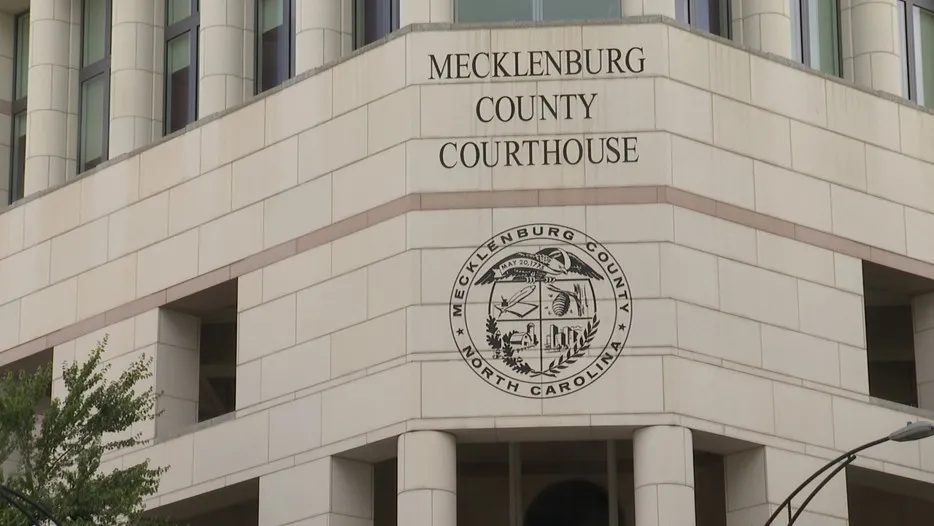
The Mecklenburg County Courthouse is located in Charlotte, North Carolina, serving as the central hub for county legal proceedings. Visitors can find clear directions, operating hours, and important services to ensure a smooth courthouse experience.
Courthouse Address & Map
The Mecklenburg County Courthouse is located at:
832 East Fourth Street, Charlotte, NC 28202
This central location makes it accessible from most parts of Charlotte. Visitors can use GPS or online mapping services to get precise directions.
- Use Google Maps or Apple Maps to view real-time traffic and transit options.
- Nearby landmarks include Romare Bearden Park and the Mint Museum Uptown, making it easier to locate.
- Courthouse entrances are clearly marked; signage is posted for all public areas.
Hours of Operation
The courthouse is generally open Monday through Friday, from 8:30 AM to 5:00 PM. These hours cover the main clerk’s office, administrative offices, and public service counters.
Visitors are encouraged to arrive early to allow time for security screening and document processing. Certain divisions, such as Family Court or Probate, may have different operating hours.
- Clerk of Court Services: 8:30 AM – 5:00 PM
- Closed on weekends and public holidays
- Early morning arrivals are recommended for busy filings or case inquiries
Parking + Security Procedures
Parking Options:
- Street parking is available around the courthouse with meter limits.
- Several nearby public parking garages provide hourly and daily rates.
- Accessible parking spots are clearly designated near courthouse entrances.
Security Procedures:
- All visitors must pass through a metal detector.
- Bags and electronic devices are screened.
- Weapons of any kind are strictly prohibited.
Accessibility Services
The Mecklenburg County Courthouse provides accessibility services to ensure all visitors can attend court matters comfortably.
Available services include:
- Wheelchair ramps and elevators for easy movement between floors
- Accessible restrooms throughout the building
- Sign language interpreters available on request
- Assistance for visually or hearing-impaired visitors
Mecklenburg County Court Information
| Category | Details | Address / Contact |
|---|---|---|
| Main Courthouse | Handles all county court cases | 832 East Fourth St, Charlotte, NC 28202 (704) 686-0400 |
| Clerk of Superior Court | Elected for 4 years; also acts as probate judge; handles guardianships, adoptions, name changes, foreclosures; manages court records, schedules, and jury management | Elisa Chinn-Gary 832 East Fourth Street, Suite 3600, Charlotte, NC 28202 (704) 686-0420 |
| Clerk to the Board | Records minutes of Board of County Commissioners; custodian of County Seal and Board records; administers oaths; publishes public notices | Kristine Smith Charlotte-Mecklenburg Government Center, 600 E. 4th St., Charlotte, NC 28202 980-314-2939 |
| Magistrates | Judicial officers in District Court with limited jurisdiction; handle small claims, evictions, personal property recovery, bail, and minor misdemeanors; appointed for 4 years | Requires 4-year degree or 2-year degree + 4 years relevant experience |
| Probate Court | Handled by Clerk of Superior Court as probate judge; manages estate probate, adoptions, guardianships, mental health cases, name changes, foreclosures | Elisa Chinn-Gary 832 East Fourth Street, Suite 3600, Charlotte, NC 28202 (704) 686-0420 |
Frequently Asked Questions
This section addresses common queries regarding Mecklenburg County Court records and services. Users can find answers to record search issues, case updates, and general court information.
Why can’t I find my case?
Most cases are searchable once they are officially filed, but some may not appear immediately. Certain records, such as sealed cases or those pending processing, are restricted from public access.
Cases might not show up due to several reasons:
- Pending filing: Newly filed cases can take 24–72 hours to appear in the system.
- Sealed or confidential cases: Juvenile or sensitive cases are intentionally not displayed.
- Incorrect search details: Minor errors in name spelling, case number, or date range can prevent results.
- Technical updates: The online portal may occasionally undergo maintenance, causing temporary unavailability.
How often are records updated?
Court records in Mecklenburg County are updated regularly, though not instantly. Most case filings, docket entries, and decisions appear online within one to three business days.
Additional points to consider:
- Daily updates: Routine updates are processed overnight.
- Document processing time: Some filings require manual verification before posting.
- Holidays and weekends: Updates may be delayed during non-business days.
Are juvenile records available?
Juvenile records are generally restricted to protect the privacy of minors. These cases are not accessible through standard public searches.
Key points about juvenile records:
- Limited access: Only authorized personnel, legal representatives, or involved parties can obtain records.
- Purpose: Restrictions ensure the safety and confidentiality of minors.
- Exceptions: Certain court orders may allow access for research, media, or law enforcement under specific conditions.
Is the data official?
The online case records provide a trusted source of court information, but they are considered informational rather than certified documents.
Important details include:
- Official documents: Certified copies must be requested from the clerk’s office.
- Accuracy: Online data is updated daily but may have minor delays or errors.
- Use cases: Helpful for case tracking, research, or general information, but not legal proof.